
Preventing Type 2 Diabetes Through Healthy Eating
As more people learn that type 2 diabetes can be prevented or delayed, it can be hard to know which eating plan is best. There is a lot of information available, and some of it can be confusing.
The American Diabetes Association (ADA) helps make sense of the research. The ADA regularly reviews the latest science and publishes guidance on eating patterns that support good health. Its 2019 consensus report, along with the 2026 Standards of Care, offers clear recommendations based on the best available evidence.
The good news is that there is not just one healthy way to eat. Several eating patterns have been shown to help prevent or delay type 2 diabetes.
Mediterranean Diet
This eating pattern emphasizes vegetables, beans, fruits and whole intact grains, like whole grain brown rice, quinoa and lentils, seafood, olive oil, yogurt and cheese (low to moderate amounts). In this eating pattern, herbs and spices are used liberally, while salting foods or eating foods prepared with salt is limited. Fruit is used as the dessert. Beverages are unsweetened. Meatless meals are enjoyed often. Seafood is included twice per week while red meat is rarely included. This eating pattern is considered higher in fat with olive oil being the primary oil used in cooking and seasoning. If a person chooses to drink alcohol with the healthcare provider’s consent, red wine is included in moderation.
DASH (Dietary Approaches to Stop Hypertension)
This eating patterns encourages eating vegetables, fruits and low -fat dairy options. It includes whole grains with lean meats such as poultry or fish, while limiting red meat. As this eating plan also emphasizes meatless meals, beans and unsalted nuts can be used as protein substitutes. Sugary beverages and desserts are limited and sodium is reduced to no more than 2300 milligrams per day.
Vegetarian
A vegetarian eating plan may have eggs and milk but avoids all flesh foods. It uses nuts, seeds, beans and other meat substitutes as sources of protein. It is typically plentiful in fruits, vegetables and grains (preferably whole).
Low-Fat
A low- fat eating plan keeps fat calories less than 30% of total calories. The low- fat eating plans reviewed in the consensus report also kept saturated fat -fat that is solid at room temperature- to no more than 10% of calories. That is about 22 grams or less during the day based on 2,000 calories. A low- fat eating pattern includes vegetables, fruits, grains (preferably whole), low fat dairy and lean meats.
The bottom line is that a variety of eating patterns is acceptable and each have these aspects in common:
- Keep eating “non-starchy” vegetables. Choose vegetables such as broccoli, asparagus, peppers, onions, mushrooms, greens (just to name a few) often, including at breakfast! Add to smoothies, grill vegetables to top sandwiches, dip raw veggies into salsa or hummus as a snack, and grill kabobs as a side dish. Yum!
- Limit added sugars and processed grains as much as possible. Choose higher fiber grains instead of the more processed choices. For example, try whole wheat pasta in place of plain pasta. Be sure to read the cooking instructions- many times whole grain foods require a minute or two longer cooking time. Enjoy fruit for dessert and choose water, black coffee or unsweet tea in place of sugary drinks.
- Choose whole foods over highly processed foods whenever possible– Substitute roasted potatoes or a baked potato instead of chips, or having fresh strawberries with plain Greek yogurt instead of strawberry ice cream.
Following either a Mediterranean, DASH, Vegetarian or a Low-Fat eating pattern, combined with 150 minutes of physical activity per week, can prevent or delay type 2 diabetes! To find out if you are at risk for type 2 diabetes, take the risk test Know Your Risk in 26 – Kentucky Diabetes Network, Inc
The 2026 ADA Standards of Care also encourages the following nutrition behaviors:
- Drink water as the primary beverage
- Eat plant based proteins (remember nuts and seeds)
- If eating, choose lean meat and poultry
- If eating, choose heart healthy wild-caught fatty fish
- Use of herbs and spices in place of salt or salt containing preparations
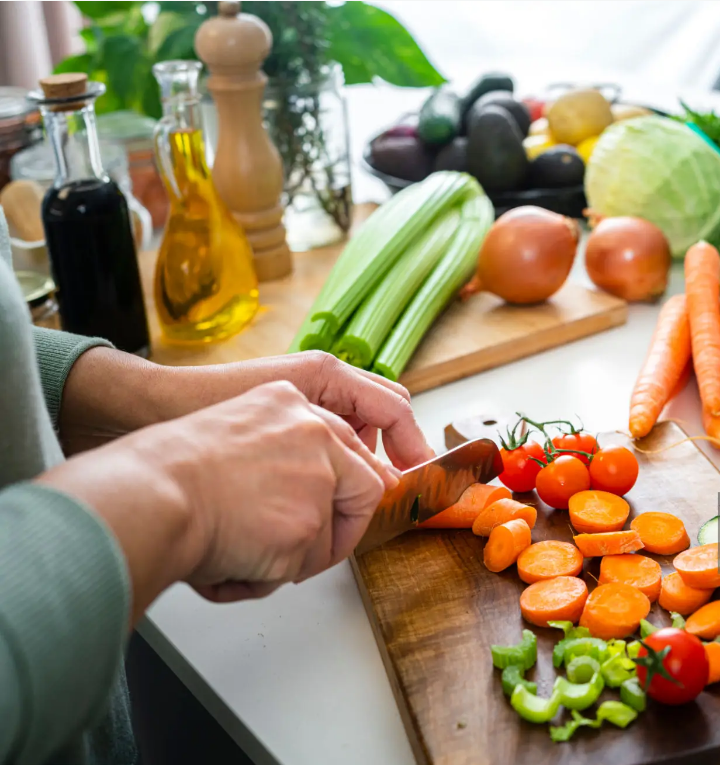
- Incorporate onions, garlic, celery and carrots and other vegetables as base in homemade foods
- Cook with vegetable oils in place of high saturated fats
- Plan meals for the week
- Grocery shop with a list
- Prep meals on a day off
- Share tasks with others who live in household
Forks over Knives – Plant based eating resources https://www.forksoverknives.com/recipes/
Cooking Matters- Easy, low cost recipes for families https://cookingmatters.org/recipe-finder/
Eating Well Diabetes Diet Center- https://www.eatingwell.com/category/4248/diabetes-diet-center/